Phantom Blade Zero Beginner Tips for New Players
Learn how to manage Sha-Chi, read Brutal and Killer Moves, use Ghostep, choose weapons, and select the right difficulty in Phantom Blade Zero.
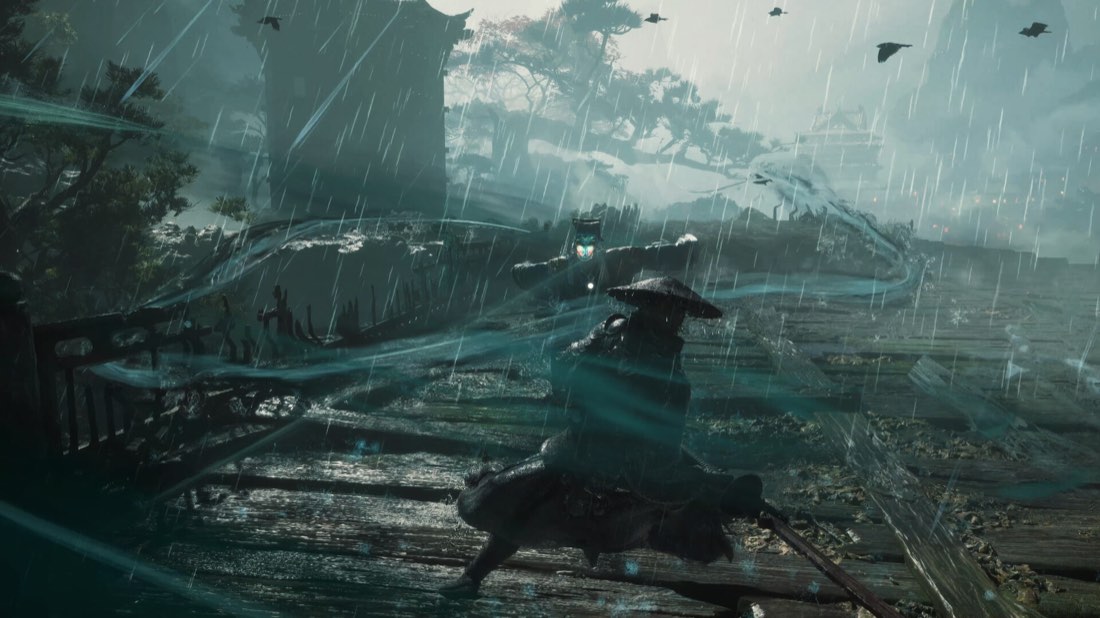
Image: S-GAME
Phantom Blade Zero rewards players who learn its combat signals instead of attacking constantly. For your first hours, focus on saving Sha-Chi, reacting correctly to Brutal and Killer Moves, practicing Ghostep, and testing weapons until one fits your timing.
Learn the Sha-Chi rhythm
Sha-Chi is the resource that connects offense and defense. Successful attacks build it, while heavy attacks, blocks, and Power Surge abilities consume it. That means Sha-Chi is not simply a meter to spend whenever it is available: it is also an emergency resource for surviving dangerous attacks.
A common beginner mistake is blocking too freely. Blocking a Brutal Move is possible, but it drains Sha-Chi. If you repeatedly block these attacks, you can leave yourself without enough resource for your next heavy attack or Power Surge.
Use this basic rhythm instead:
- Attack normally to build Sha-Chi.
- Watch for the enemy’s special attack warning.
- Parry a Brutal Move when your timing is reliable.
- Spend Sha-Chi after creating an opening, rather than immediately.
- Keep enough resource available for the next defensive exchange.
You do not need to spend every point as soon as the meter rises. In difficult encounters, a full reserve gives you more options than an extra heavy attack used without a clear purpose.
Read the colour flags before reacting
Phantom Blade Zero’s defensive system is built around two enemy attack classes. Their colour warnings tell you which response is available.
| Attack | Colour warning | What works | What to avoid |
|---|---|---|---|
| Brutal Move | Blue | Parry; blocking is possible | Repeated blocking, because it drains Sha-Chi |
| Killer Move | Red | Dodge | Blocking or parrying |
A Brutal Move can be blocked, but a well-timed parry is the better answer because it preserves Sha-Chi and can set up a counter. If the attack is blue, prepare to meet it rather than immediately moving away.
A Killer Move is different. It cannot be blocked or parried, so attempting either response will fail. When the attack flashes red, stop looking for a parry and concentrate on the dodge timing.
These warnings are especially important when several enemies are attacking at once. Do not react only to the nearest opponent. Scan for the colour flag and prioritize the attack that restricts your defensive options.
Practice Ghostep instead of chasing damage
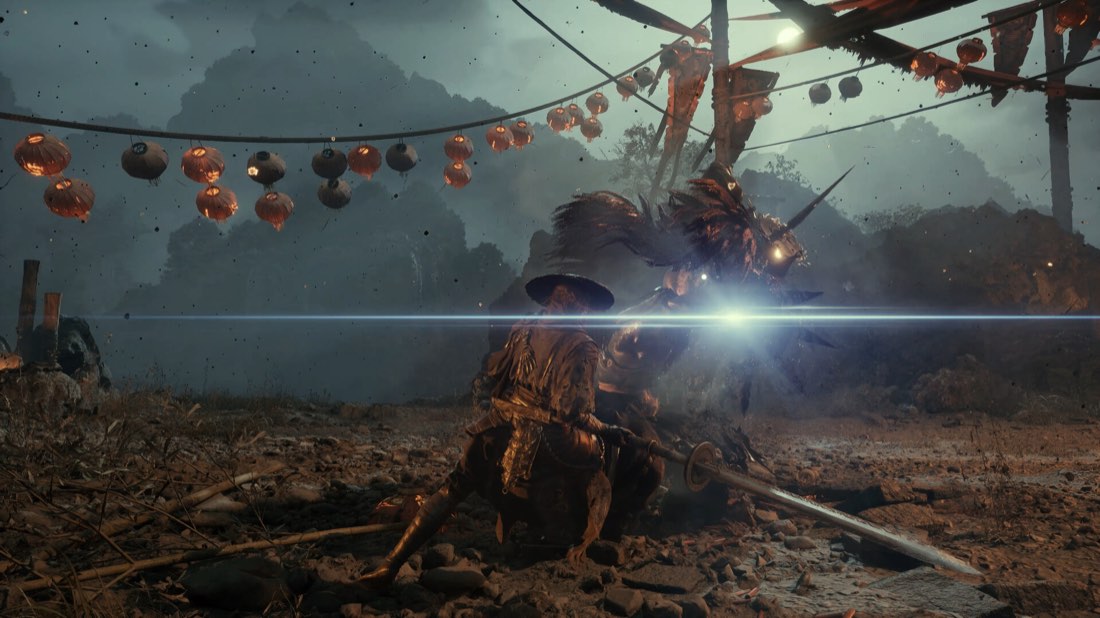
Ghostep is Phantom Blade Zero’s signature repositioning counter. A successful parry against a Brutal Move or a perfectly timed dodge against a Killer Move can trigger the manoeuvre, moving Soul around the enemy while preserving combat momentum.
Treat Ghostep as a timing lesson, not just a damage opportunity. Your first goal should be recognizing the correct moment to defend. The attack that follows is a bonus.
Use these practice rules:
- Against a blue Brutal Move, wait for the strike instead of parrying as soon as the warning appears.
- Against a red Killer Move, dodge late enough to avoid the attack at the critical moment.
- Do not mash the defensive input after a missed attempt; reset your spacing and watch the next animation.
- Practice on regular enemies before relying on Ghostep during a boss phase.
The game’s combat is designed around responding to cues, and Ghostep helps you stay aggressive after a successful defense. Once the timing becomes familiar, you can turn enemy special attacks into opportunities rather than interruptions.
Try weapons early, then commit gradually
Soul can equip two primary weapons and two Phantom Edges at the same time, switching between them during combat. The game includes more than 30 main weapons and 25 Phantom Edges according to the August 2026 State of Play recap, so your first weapon choice should be practical rather than permanent.
Start by testing how each weapon affects your Sha-Chi flow. Hands-on coverage has reported that different primary weapons channel Sha-Chi differently. A weapon that feels powerful in a short demonstration may still be a poor fit if its attacks disrupt your preferred defensive timing.
For your first hours:
- Keep one weapon that feels comfortable for regular attacks.
- Use the second primary weapon to cover situations where your first choice is less effective.
- Experiment with Phantom Edges instead of treating them as emergency-only tools.
- Compare weapons by how easily they let you attack, defend, and reposition.
- Upgrade the weapon you actually use rather than spreading materials across everything immediately.
Weapon progression is separate from a traditional character-level system. Each weapon and secondary weapon has its own upgrade and evolution systems, which can provide new skills and movements. The official State of Play recap also confirms that upgraded weapons can be reforged to recover their materials and reinvest them elsewhere. That gives you room to experiment without treating an early upgrade as a permanent mistake.
Pick a difficulty that supports practice
Phantom Blade Zero has adjustable difficulty, and the official PlayStation description identifies Wayfarer as the choice for players who simply want to enjoy the story. It is also specifically recommended for players with little or no action-game experience in reported coverage.
| Difficulty choice | Best for | Beginner recommendation |
|---|---|---|
| Wayfarer | Players with little or no action-game experience | Best starting point if you are learning parries and dodges |
| Higher standard challenge | Players comfortable with action combat | Choose after the basic defensive loop feels consistent |
| Hellwalker | Experienced players seeking adaptive enemy intelligence | Save it for a later challenge |
| Sixty-Six Days | Players looking for an especially demanding mode | Avoid during your first learning run |
Hellwalker changes more than enemy health or damage. The official description says it features more advanced and adaptive enemy intelligence, while press coverage describes enemies and bosses reacting more dynamically to player behaviour.
The Sixty-Six Days mode is also officially named, but its detailed rules are reported rather than fully explained in the official store material. Coverage describes it as an unlockable mode built around Soul’s 66-day story premise, where defeats reduce the remaining count. It is not the right place to learn the fundamentals.
Build habits before boss fights
There is no traditional level system that lets you simply outscale every early mistake. Progression is curated through weapons, weapon upgrades, accessories, and a skill tree, so your combat habits matter from the start.
Before a boss, make sure you can answer three questions:
- Which attacks build Sha-Chi safely?
- Which warning means parry, and which means dodge?
- Which weapon lets you recover after a missed attack?
If you cannot answer them yet, spend more time against ordinary enemies instead of forcing the encounter. Phantom Blade Zero’s combat is fast, but the colour flags and Ghostep system give you readable information. Slow down, react to the correct cue, and let your build support the way you actually play.
Sources
Frequently asked questions
What is Sha-Chi used for in Phantom Blade Zero?
Sha-Chi is built through successful attacks and spent on heavy attacks, blocks, and Power Surge abilities. Avoid wasting it on blocks when a Brutal Move can be parried.
How do Brutal Moves and Killer Moves differ?
Brutal Moves can be blocked but drain Sha-Chi, while Killer Moves cannot be blocked or parried and must be dodged. The attacks use different colour warnings to help you identify the correct response.
What difficulty should beginners choose in Phantom Blade Zero?
Wayfarer is the best starting point for players with little or no action-game experience. The game also offers adjustable difficulty, while Hellwalker is intended as a tougher mode with more advanced enemy intelligence.
Can you change weapons during combat?
Yes. Soul can equip two primary weapons and two Phantom Edges and switch between them during fights. Weapons also have their own upgrade and evolution systems.