Phantom Blade Zero Story, Setting & Characters Explained
Soul's 66-day death sentence, The Order, Donnie Yen's Mó Yuan, antagonist Zuo Shang and eight endings — the complete pre-launch story and lore primer.
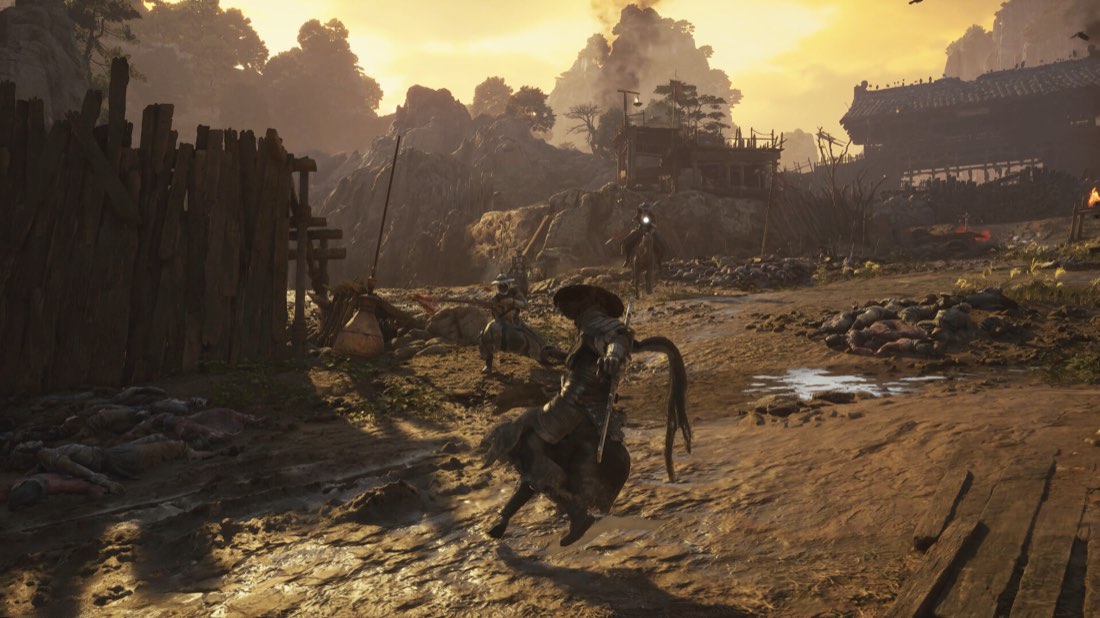
Image: S-GAME
Phantom Blade Zero is a wuxia revenge thriller on a deadline. You play Soul, an elite assassin framed for the murder of his own organization’s patriarch, hunted by former comrades, and saved from a fatal wound by a cure that holds for exactly 66 days — his window to find whoever set him up. It ends in one of eight endings, decided by how thoroughly you play rather than by dialogue picks.
That’s the short version. Here’s the full story picture ahead of the October 29 launch — including what the August 17 State of Play did and didn’t settle — with everything unofficial clearly flagged.
The Phantom World: wuxia, steampunk, occult
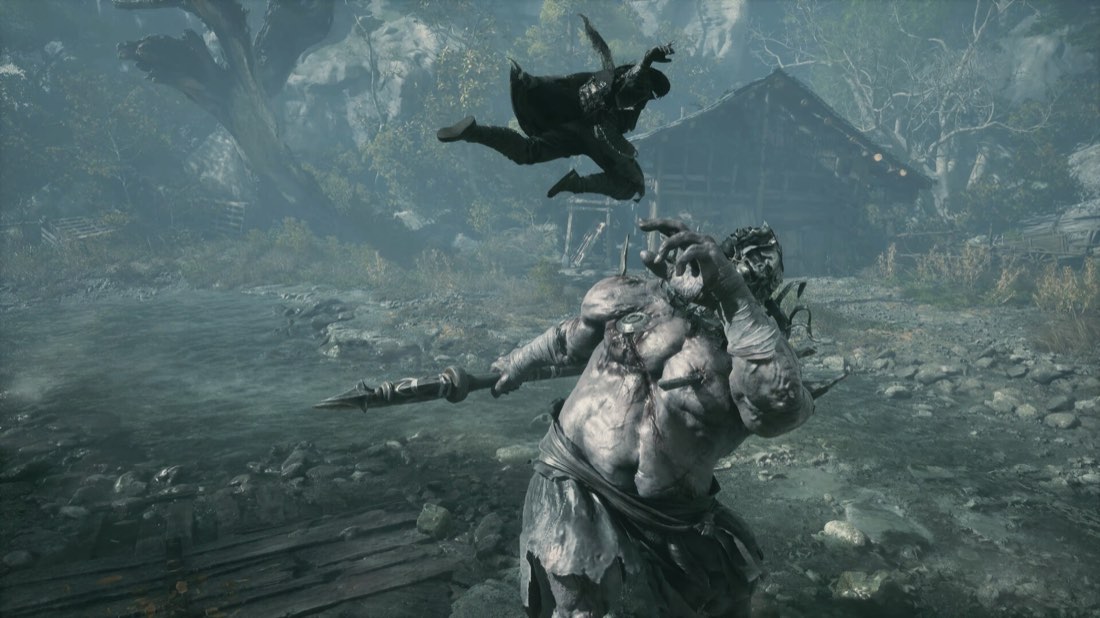
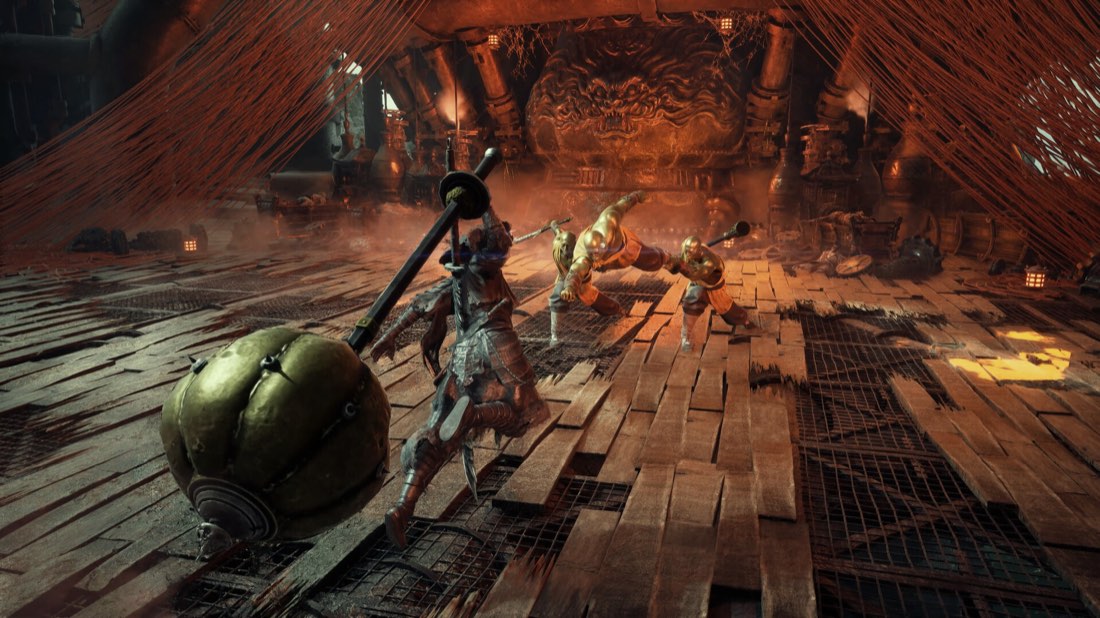
The setting is the Phantom World, and director Soulframe Liang’s official description is the best one: “a universe where many kinds of powers converge. You’ll find Chinese Kungfu, intricate machines reminiscent of steampunk, arts of the occult, and intriguing stuff that doesn’t quite fit.”
Developer interviews cite Ming-dynasty China as the inspiration — but no in-fiction year, era or dynasty appears anywhere in official copy. This is a fantasy underworld, not a period piece.
The society you move through is the Wulin, the martial world: Steam’s copy has Soul roaming it “determined to unravel a conspiracy that has ensnared the martial world.” Liang has said he’s chasing the atmosphere of the jianghu — a domain where people live outside the reach of the imperial court. Sects, assassins and cults, not emperors and armies.
The August 17 State of Play was the first time that world got a shape. Outlets recapping the broadcast describe eight interconnected, handcrafted regions — neither an open world nor a strictly linear one — with exploration, in the show’s own narration, “guided by eight authentic, hand-painted Chinese ink wash maps” and bells serving as fast-travel points. Treat the count as press-reported: Sony’s official recap of the same show talks about the Wulin and its secrets without naming a number.
Soul and the 66-day death sentence
Soul serves The Order, an elusive, powerful organization, as one of its elite assassins. He is framed for murdering The Order’s patriarch — Steam’s page says “his master,” and S-GAME has never confirmed whether patriarch and master are the same person — then hunted and mortally wounded during the manhunt.
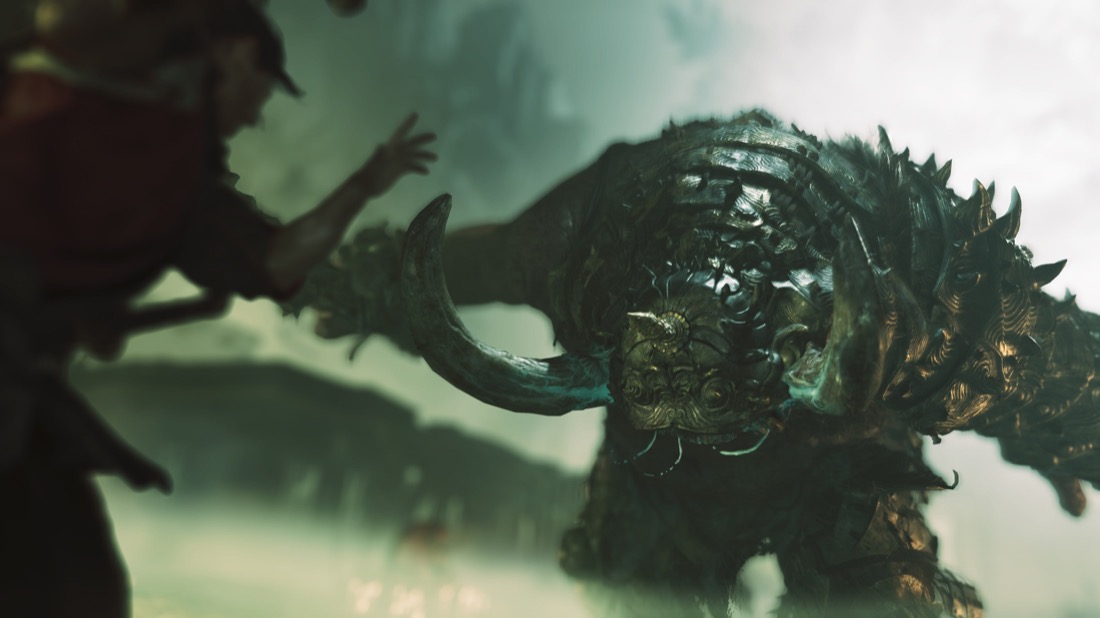
A mystic healer saves his life, but the treatment lasts only 66 days. That deadline is the plot’s engine: unmask the mastermind before it expires, through “powerful foes and inhuman monstrosities.” State of Play recaps fill in mechanics official copy still doesn’t: outlets name the healer the Flesh Sculptor and describe the cure as a new, tainted heart, with the wound itself dealt in a duel against Zuo Shang. Sony’s own recap of the show mentions none of that, so it stays press-reported.
Whether the 66 days ticks as an actual in-game timer is still unconfirmed for the campaign — nothing in the broadcast or its coverage describes a running clock, and officially it remains story framing. What the show did add is a separately named Sixty-Six Days difficulty mode, which Sony names but doesn’t explain; outlets describe it as an unlockable run that converts the countdown into 66 lives, one spent per death. That’s an optional mode, not the campaign’s premise — the two are easy to conflate and shouldn’t be.
Liang describes Soul as a classic xiake, the wandering martial hero — “not so talkative,” cold outside and hot inside — and names Berserk’s Guts and Vampire Hunter D as reference points. Even the white hair is lore: it marks life force drained in a mutually devastating clash with his rival.
The cast at a glance
| Character | What’s official |
|---|---|
| Soul | Protagonist; elite assassin of The Order; 66 days to live |
| Mó Yuan | Soul’s father; Leader of the Bastion of Mó; played by Donnie Yen |
| The Hunt | Former comrade; Hunter of The Order; fought as a boss atop a speeding wagon |
| Zuo Shang | The antagonist, per producer interviews; Soul’s ideological opposite; State of Play recaps add “former blood brother” |
| Mu Xiaokui | Named supporting character; face-scanned from actress Zhang Jinzhi |
| The mystic healer | Unnamed officially; called the Flesh Sculptor in State of Play recaps; the reason Soul has 66 days at all |
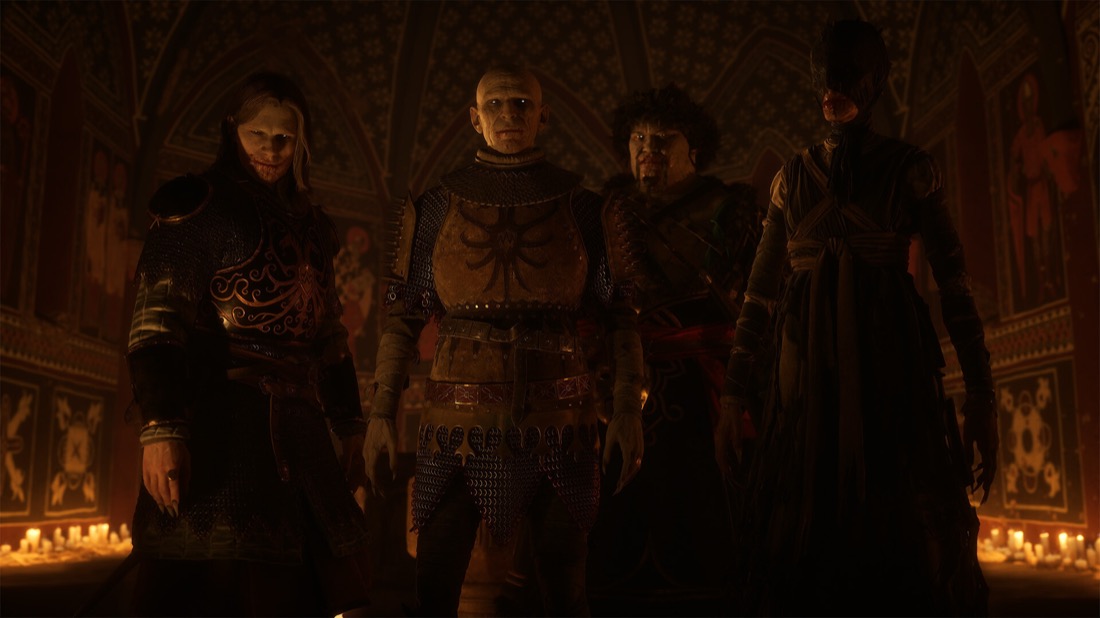
| Lady of the Veil | Guards the Phantom World’s secrets; role unexplained |
Mó Yuan, Donnie Yen and the Bastion of Mó
The August 11 pre-order trailer delivered the biggest character reveal so far: Mó Yuan, Leader of the Bastion of Mó, is the masked man cradling an infant in the game’s very first 2023 trailer — and he’s Soul’s father, played via voice, face model and motion capture by Donnie Yen. Yen isn’t a late-stage cameo, either: he’s been S-GAME’s Creative Consultant since 2023, shaping the kung fu combat design.
Some outlets bill Mó Yuan as an antagonist. Official sources don’t — his faction’s relationship to The Order hasn’t been explained at all, which is one of the more interesting open threads. The August 17 recap re-credits Yen’s dual role in Liang’s own words but names Mó Yuan without even restating that he’s Soul’s father, so it moves nothing forward on that front.
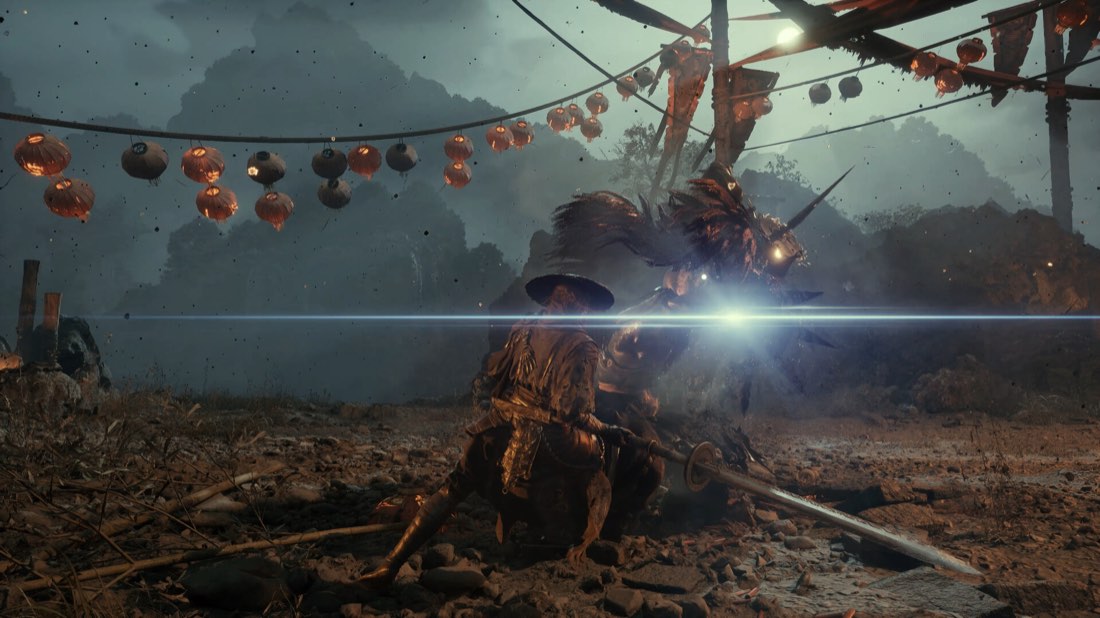
The Order itself supplies the early opposition. Liang says “battling enemies atop a speeding wagon and crossing blades with former comrades like The Hunt are just the opening moments” — The Hunt being a Hunter of The Order and Soul’s ex-colleague.
Zuo Shang: an ideological war, not a betrayal
Producer interviews in Chinese media identify Zuo Shang as the antagonist — and the framing matters. In the original Rainblood, Zuo Shang and a partner conspired against Soul in a personal-betrayal, romantic-rivalry plot Liang now calls melodramatic. That storyline has been completely rewritten: the new conflict “should stem from deeper disagreement — what kind of future do they each envision for the martial world?”
Zuo Shang shares Soul’s white hair, the visual scar of their mutually destructive past clash. The August 17 State of Play covered that clash: outlets recapping the broadcast describe Zuo Shang as Soul’s former blood brother, and the man whose blade goes through Soul’s heart in the duel that starts the 66-day countdown. All of that is press-reported — Sony’s recap of the show names only Soul and Mó Yuan, so Zuo Shang still has no first-party English introduction. One outlet also describes the duel as a mutual strike through the heart; other recaps have only Soul wounded, so that detail is unconfirmed.
Mu Xiaokui, portrayed by young actress Zhang Jinzhi via near-unaltered facial scan, rounds out the officially named cast. Fan wikis call her the daughter of The Order’s founder; that’s unconfirmed.
The Lady of the Veil and the lore S-GAME won’t explain
Official store copy name-drops a striking set of terms: Memory Flowers, the Discordance, Transcension, the Lady of the Veil and Inanis’ Dreamscape. Only the names are official — every expanded explanation circulating online is fan interpretation. The Lady of the Veil is described simply as guarding the Phantom World’s secrets, nothing more, and the State of Play added nothing to any of it.
Eight endings, earned by thoroughness
Liang told Game Rant the game has 8 endings — more than Elden Ring’s six — across a 20–30 hour main story (see how long it takes). The figure comes from developer interviews, not store pages, but it’s straight from the director.
The branching isn’t dialogue-driven. Endings hinge on completing side quests, holding specific items at story checkpoints, and story decisions, with “guidance and clues” left so you can recognise the moments that matter. Main quests follow Soul; side quests explore other characters and feed back into the main narrative. Liang’s warning is blunt: “If you don’t do anything else, you might end up with a bad ending.”
The August 17 recap, written by Liang himself, put the mechanism on the official record for the first time: Soul “will encounter citizens in need,” and completing “some of the side quests might even open up new story paths.” Note the hedge — “might,” and only some quests. The post gives no ending count and never uses the word “ending” at all, so the number 8 still rests on the interview alone.
From Rainblood to Zero
Phantom Blade Zero reimagines Rainblood: Town of Death, Liang’s 2010 RPG Maker indie, which grew into a franchise with over 20 million fans — mostly via China-exclusive mobile games. Zero keeps only character names and basic settings; every relationship and motivation was reimagined, and no prior knowledge is required.
The move off mobile changed the storytelling too: instead of episodic live-service chapters, Zero is one complete narrative with a named, fully backstoried protagonist, a non-linear structure, and temporal jumps through memory and dream sequences.
Tone: dark wuxia, folk horror, no jump scares
Officially this is “a dark wuxia action RPG” about vengeance, betrayal and self-discovery. Liang’s take on the bleakness: it makes “characters with hearts of gold really stand out.” The horror is folk horror — “mysterious and intense vibes” built from sound design, unsettling environmental detail and survivor NPCs, explicitly not jump scares. “The essence — dark, solemn, cold aesthetic — won’t change.”
His stated influences run from Louis Cha’s wuxia stories and Bruce Lee’s films to Michelle Yeoh in Everything Everywhere All at Once and Donnie Yen in John Wick: Chapter 4; on the game side, “a unique amalgam of Devil May Cry, Sekiro, and Ninja Gaiden,” with Resident Evil, Silent Hill and Alan Wake shaping the dread and Berserk and Hollow Knight the look. Even the combat is written as characterisation — Liang designs each skill around what it expresses about the character using it.
What we still don’t know
- The in-fiction date — Ming-inspired, but no year, era or dynasty has ever been named
- Who actually framed Soul — identity, faction and motive are all unannounced, and the murdered patriarch is still nameless
- The Lady of the Veil’s role beyond “guards secrets”
- How the Bastion of Mó relates to The Order
- Post-launch story plans — no DLC, expansion or narrative roadmap has been announced
The dedicated State of Play aired on August 17, running close to 20 minutes and billed in advance as showing “never-before-seen characters central to our story.” It delivered on the world — eight interconnected regions, ink-wash maps, bells — and, through press recaps, on the mechanism behind the premise: Zuo Shang’s duel, the Flesh Sculptor, the tainted heart. It resolved none of the questions above. Every one of them sits exactly where it did before the broadcast, and Sony’s own recap of the show is thinner still: it names only Soul and Mó Yuan, gives no ending count, and never mentions the 66 days at all. Our everything we know hub tracks the rest of the pre-launch picture.
Frequently asked questions
Is Phantom Blade Zero a sequel?
No. It's a complete reimagining of Soulframe Liang's 2010 indie game Rainblood: Town of Death. Only character names and basic settings carry over — the relationships and motivations have been rewritten, and the story stands alone.
Who is the main character in Phantom Blade Zero?
Soul, an elite assassin serving a clandestine organization called The Order. Framed for murdering The Order's patriarch and mortally wounded, he's saved by a mystic healer whose cure lasts only 66 days — his deadline for finding the real culprit.
How many endings does Phantom Blade Zero have?
Eight, according to director Soulframe Liang — more than Elden Ring's six. Endings branch on thoroughness (side quests, items held at story checkpoints, story decisions) rather than dialogue choices, and playing only the critical path risks the bad ending.
Do I need to play the earlier Phantom Blade games?
No. The franchise has over 20 million fans, mostly from China-exclusive mobile releases, but Liang says Zero is a completely different work that requires no prior knowledge.
Who is the villain in Phantom Blade Zero?
Zuo Shang, per producer interviews in Chinese media — Soul's ideological opposite rather than a personal betrayer. Outlets recapping the August 17 State of Play describe him as Soul's former blood brother, but Sony's and S-GAME's own English-language marketing still hasn't named him. Donnie Yen's Mó Yuan is officially only 'Leader of the Bastion of Mó', not an antagonist.