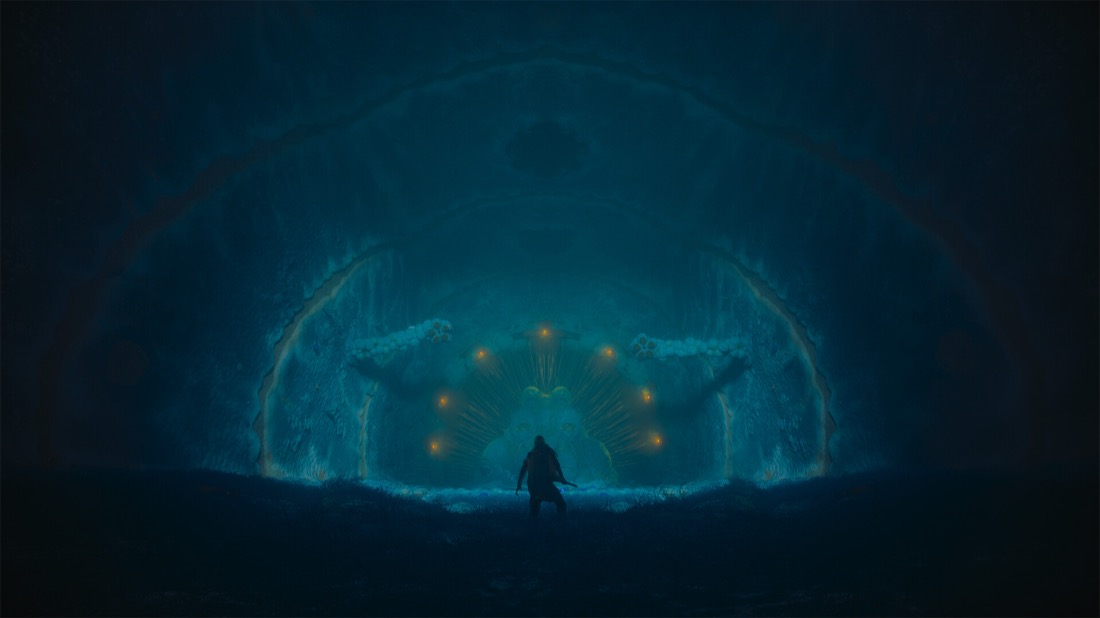
Phantom Blade Zero: Everything We Know
Release date, the 66-day story hook, kungfupunk combat, weapons, difficulty and PC specs — a complete pre-launch guide to S-GAME's dark wuxia action RPG.
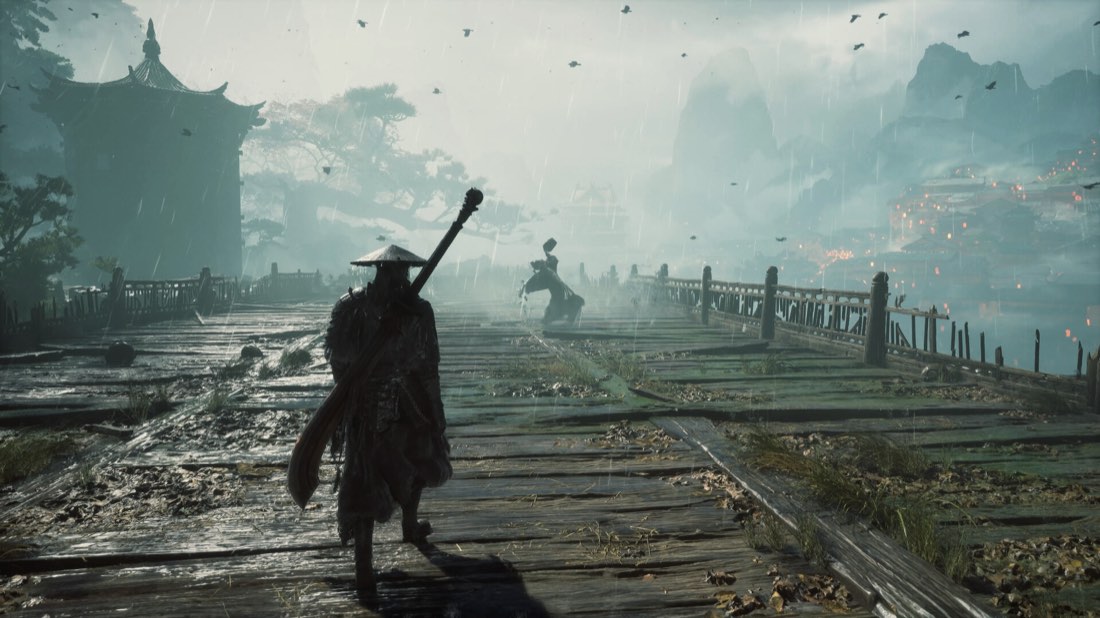
Image: S-GAME
Phantom Blade Zero cleared 1,000,000 Steam wishlists in its first 15 days, and the pitch behind that is unusually specific: wuxia cinema, rendered playable, with a 66-day countdown attached. It launches October 29, 2026 on PS5 and PC, development is already finished, and the dedicated State of Play on August 17 spent close to 20 minutes filling in the parts we’d been guessing at: the shape of the world, how builds work, and what the difficulty menu actually says.
Here’s the complete picture.
The premise: 66 days to find who framed you
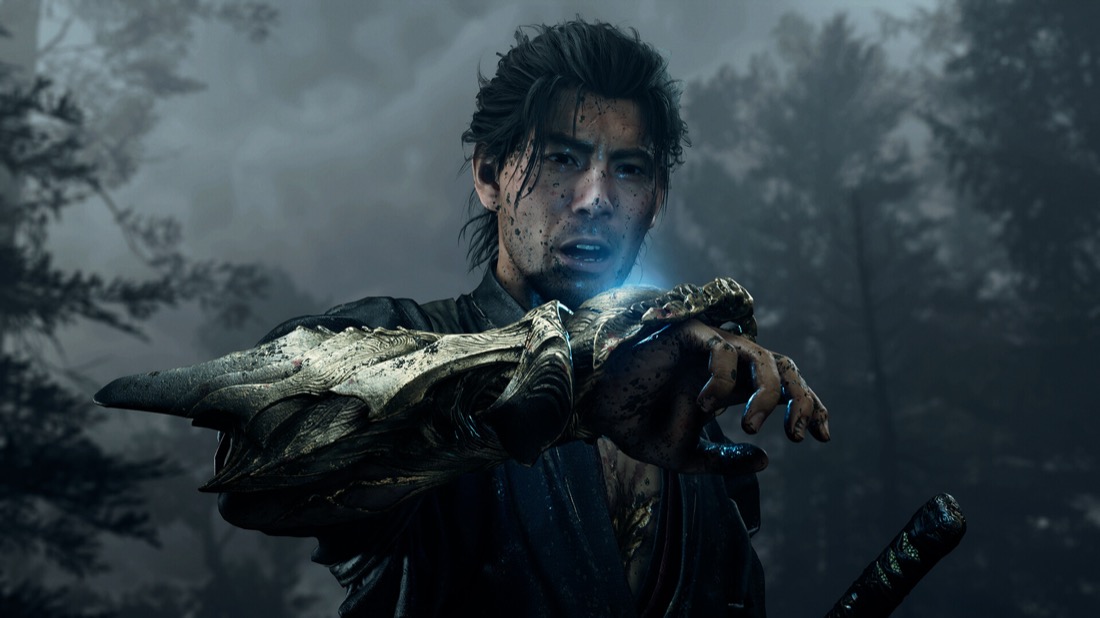
You play Soul, an elite assassin serving a powerful organisation known only as The Order. He’s framed for murdering the Order’s patriarch, hunted across the martial world, and mortally wounded during the manhunt.
A mystic healer saves him — but the cure buys only 66 days. The whole game is that clock: find the mastermind behind the framing before it runs out.
(A small official-vs-official wording quirk: the PlayStation Blog says Soul is framed for killing the Order’s patriarch; Steam’s page says his master. The stores haven’t reconciled it.)
Outlets recapping the State of Play filled in the mechanism: the wound comes from a duel with Soul’s former blood brother Zuo Shang, and the healer — the Flesh Sculptor — revives him with a new, tainted heart. Sony’s own recap names neither, so treat those beats as press-reported.
Director Soulframe Liang told Game Rant in December 2025 that the story has eight different endings — more than Elden Ring’s six. No S-GAME or Sony page has ever published that figure, so it rests on the interview alone, and the August 17 recap didn’t restate the count. It did confirm that side quests carry narrative weight: Soul “will encounter citizens in need,” and completing some of those quests “might even open up new story paths.”
“Kungfupunk”: what the aesthetic actually means
S-GAME coined the term, and the official Steam copy defines it precisely:
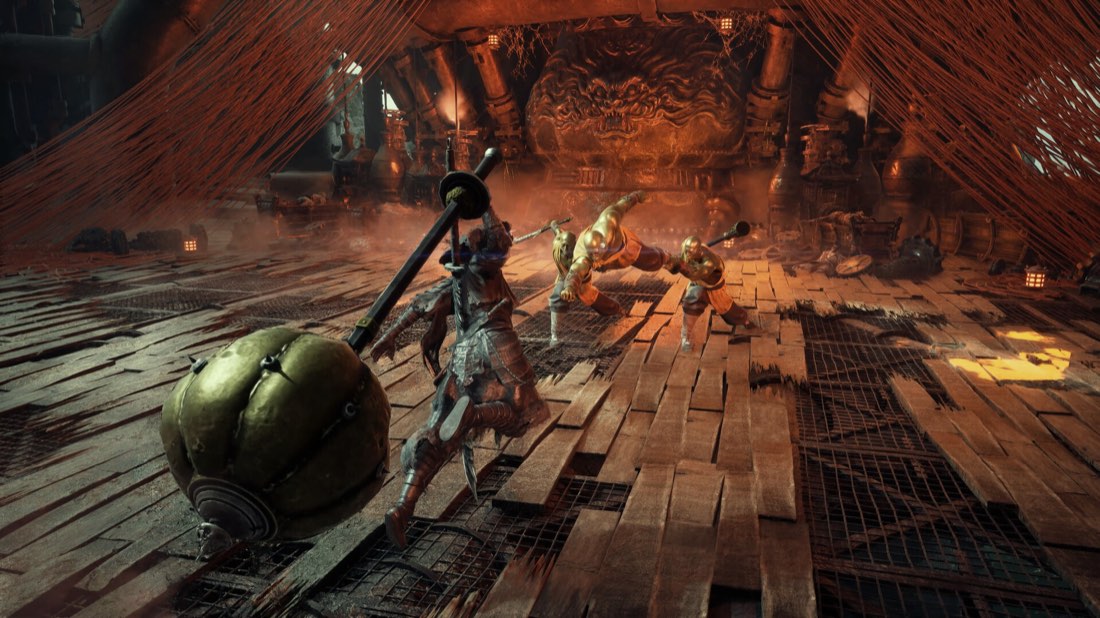
“The golden age of wuxia cinema collides with punk fantasy… Martial arts, cold steel, mechanical prosthetics, crumbling industrial ruins, traditional Chinese aesthetics, and modern rock music.”
Director Soulframe Liang’s own gloss: “we incorporate our traditional Kung fu and Chinese culture with modern fashion elements, like steampunk, cyberpunk.”
The setting is the Phantom World, inspired by Ming-dynasty China but not pinned to a stated in-fiction year. You move through the Wulin — the martial world — with official lore hooks including Memory Flowers, the Discordance, Transcension, the Lady of the Veil and Inanis’ Dreamscape.
The State of Play finally showed that world’s shape. Outlets covering the broadcast report eight interconnected, handcrafted regions — not an open world, not a straight line — with exploration guided by eight hand-painted Chinese ink-wash maps that give only a rough sense of direction in the trickier areas, and bells serving as fast-travel points once you’ve found them. The eight-region count and the bells come from press transcription of the show; Sony’s official recap gives no region count at all.
Combat: Sha-Chi, colour-coded threats, Ghostep
The combat runs on Sha-Chi, a resource you build by attacking and spend on heavy attacks, blocks and each blade’s Power Surge ultimate.
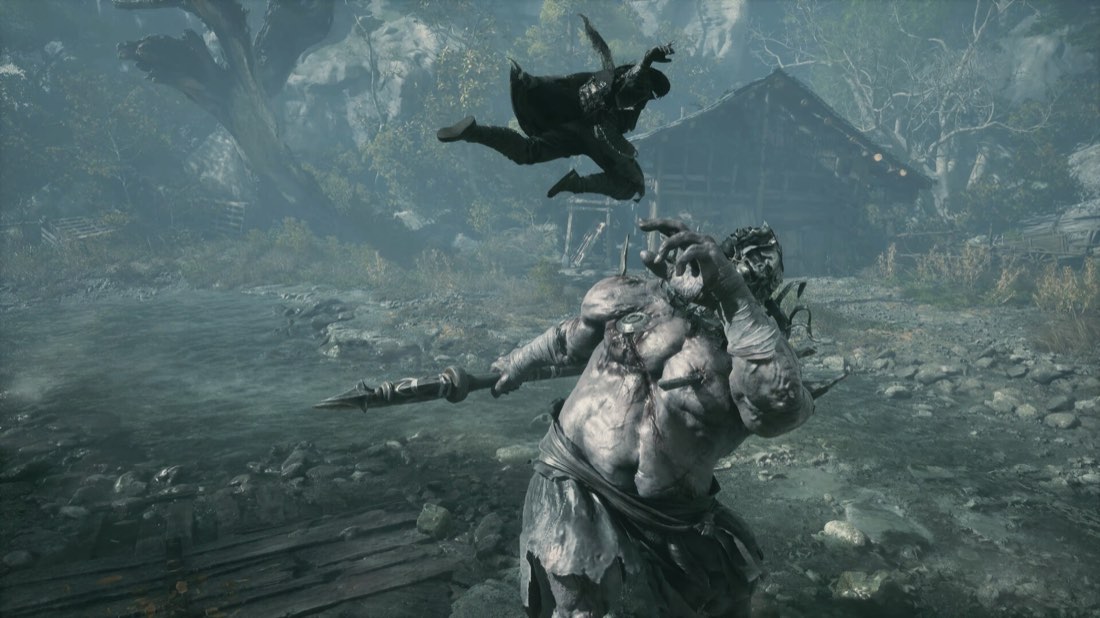
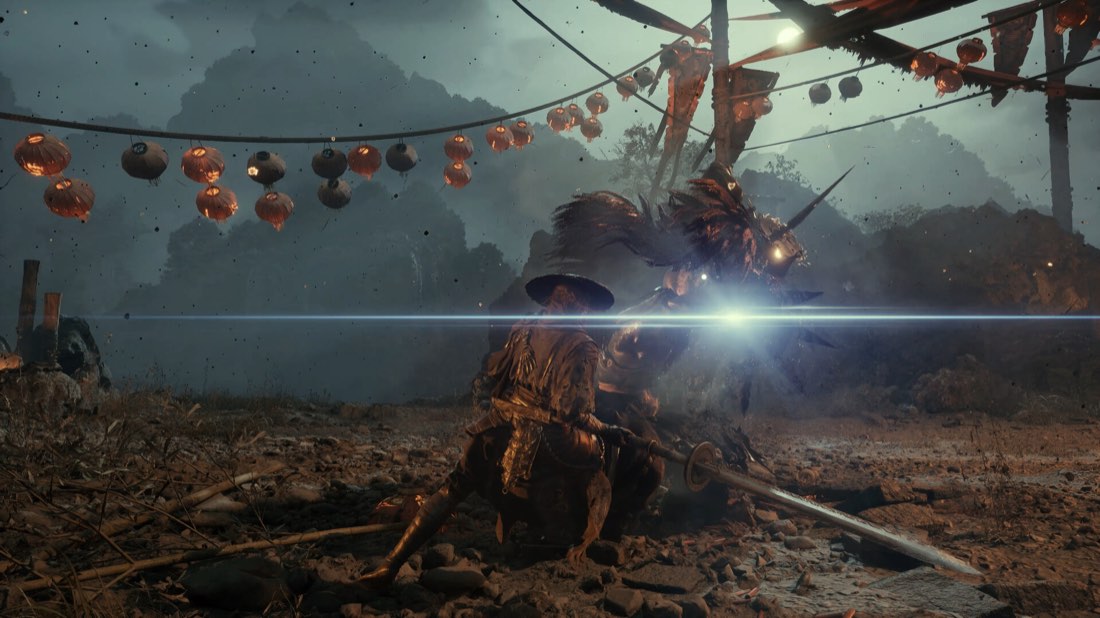
Enemy attacks come flagged in two classes: Brutal Moves (blue — blockable but drains Sha-Chi, so parry instead) and Killer Moves (red — unblockable, unparryable, must be dodged). Nail either defence at the critical moment and you trigger Ghostep: time slows, Soul flips behind the enemy, and you get a heavy-damage window.
Your loadout is two primary weapons plus two Phantom Edges, all swappable mid-fight. On the arsenal behind that loadout, note that Sony’s two official sources now disagree. The August 17 State of Play recap — written by Soulframe Liang himself — says you’ll unlock “more than 30 main weapons, plus 25 secondary weapons known as Phantom Edges.” PlayStation.com’s product page still reads “30+ primary weapons and 20+ unique Phantom Edges.” The broadcast figure is the newer one and the store page looks like older marketing copy, but nobody has reconciled them. Either way the primary count is an open-ended floor, not a total, so the “55 weapons” number that spread through post-show coverage is outlet arithmetic rather than an official figure.
Builds are broader than melee: the recap names ranged attacks and summons that assist you in battle as options, stated plainly and not elaborated — no summon roster, cost or cooldown was given.
There’s still no levelling system. Progression is per-weapon upgrades and evolutions plus a skill tree, and the State of Play added the missing half of that loop: weapons are upgraded and paired with accessories “to create the build you want,” and any upgraded weapon can be reforged to reclaim its materials and reinvest them in another. Defeating some enemies expands the arsenal outright. Outlets watching the show add that reforging uses a “Reforging Talisman” and resets the weapon’s level — that detail is press-reported, not in Sony’s post. Full breakdown in our combat guide.
The show also formalised Donnie Yen’s involvement: Sony’s recap credits him as Creative Consultant while “bringing Mó Yuan to life through facial and motion capture.” The August 11 post identified Mó Yuan as Soul’s father; the August 17 one names the character without the relationship.
Not a soulslike, and the difficulty proves it
S-GAME has rejected both “soulslike” and “hack-and-slash.” Three design choices back that up: selectable difficulty, no level grind, and boss phase checkpoints — die in phase two, restart in phase two.
The State of Play named the tiers, and the naming needs care. Sony’s official recap lists three — Wayfarer for players who mainly want the story, Hellwalker, and Sixty-Six Days — and never states a total, introducing them only as “our range of difficulty options.” Most outlets recapping the broadcast report four, adding Pathbreaker between Wayfarer and Hellwalker. No official Sony or S-GAME source confirms that name in writing, and the outlets listing it don’t say what it does, so treat Pathbreaker as press-reported and don’t assume it’s the standard setting.
Hellwalker remains the standout, but the official promise is one phrase: “more advanced and adaptive enemy intelligence,” applied to enemies generally. Press recaps of the show go further — bosses that react in real time to your spacing, your missed attacks and your repeated habits instead of running fixed sequences — which is elaboration on the broadcast, not a first-party claim, and nobody has had hands-on time to check it.
Sixty-Six Days is a separate mode, and it is not the campaign’s 66-day story clock. Press reports describe it as soft permadeath built on that conceit: 66 lives, one spent per death, the run over permanently at zero, with enemies as strong as Hellwalker’s, unlocked after finishing the game on Pathbreaker or Hellwalker. Sony says only that it “isn’t for the faint of heart.” The campaign’s 66 days, meanwhile, has only ever been described as story framing, and no source describes a live timer running in it — an argument from silence rather than a confirmed absence. Details in our difficulty and length guide.
Expect 20–30 hours for the main story, plus roughly 20 more of side content.
Platforms, price and what you get
- October 29, 2026, 02:00 UTC global unlock — PS5 and PC (Steam, Epic). Sony’s post-show recap footnotes this as “October 28 in the US and select regions”, which is the same unlock seen from a US time zone
- PS5 console exclusive for at least 12 months; PC is not part of that window
- $59.99 Standard / $69.99 Digital Deluxe — and in the UK/EU, PC is cheaper than PS5
- Single-player only; Denuvo on PC
- 15 languages, but only English and Simplified Chinese have full voice-over
PC gets day-one DLSS 4 with Multi Frame Generation, ray-traced reflections/shadows/caustics, and a path tracing tier — see our PC requirements breakdown.
Where it came from
Phantom Blade Zero is a reimagining of Rainblood: Town of Death, Soulframe Liang’s 2010 RPG Maker indie game. That grew into the Phantom Blade franchise, which built a fanbase of over 20 million — mostly through China-exclusive mobile releases. Zero breaks that pattern: Liang describes it as a move away from the mobile games’ episodic, live-service format and towards a single complete narrative.
What’s next
The August 17 State of Play has been and gone: close to 20 minutes on the Wulin, weapons and builds, the difficulty modes and Donnie Yen’s role, closing on a short trailer about PS5 features — adaptive triggers, haptics and 3D audio. What it didn’t deliver was the playable demo a briefly-live PS Store listing had led people to expect the week before. Neither Sony nor S-GAME has said whether that demo is delayed, scrapped or still coming; the silence is not a cancellation.
From here it’s the run to October 29. The open questions are preload timing, the review embargo, whether a disc release happens at all — a retailer’s support reply and a collector’s-edition tracking site flatly contradict each other, and no official statement has settled it — and final console performance modes. None of those have been announced. We’ll update these pages as each lands.
Frequently asked questions
What is Phantom Blade Zero?
A dark wuxia action RPG from Chinese studio S-GAME, built in Unreal Engine 5. You play Soul, an elite assassin framed for murder who has 66 days to live and must find who set him up.
Who is making Phantom Blade Zero?
S-GAME, led by founder Soulframe (Qiwei) Liang. The game is a reimagining of his 2010 RPG Maker indie game Rainblood: Town of Death, which grew into a franchise with over 20 million fans, mostly through China-exclusive mobile releases.
Is Phantom Blade Zero multiplayer?
No. Both official storefronts list it as single-player only. A 2023 developer comment mentioned a multiplayer dungeon, but the current store listings are the authoritative word — don't expect co-op. The summons shown at the August 17 State of Play are AI allies, not a co-op hook.
What does kungfupunk mean?
It's S-GAME's own term for the game's aesthetic: martial arts and cold steel fused with mechanical prosthetics, crumbling industrial ruins, traditional Chinese design and modern rock music.